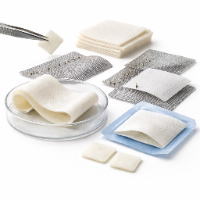
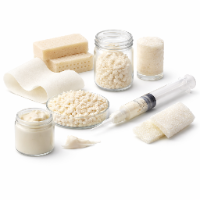
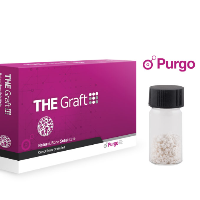
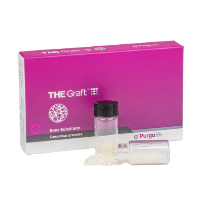
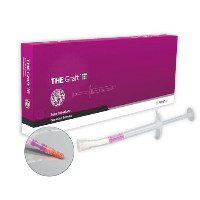
- Porosity is an important factor in determining tissue-implant material integration.
- High porosity leads to a quicker absorption of liquids and cells spreading.
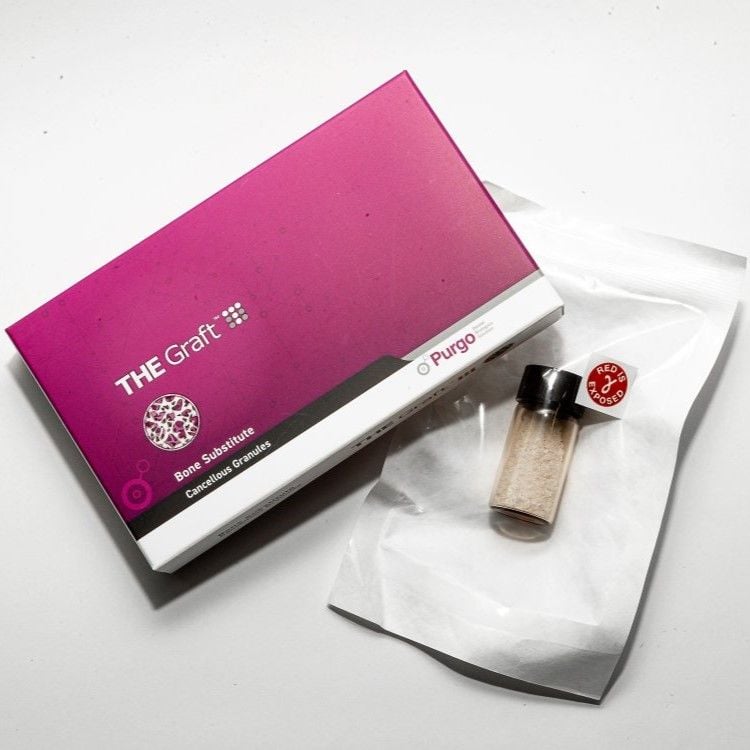
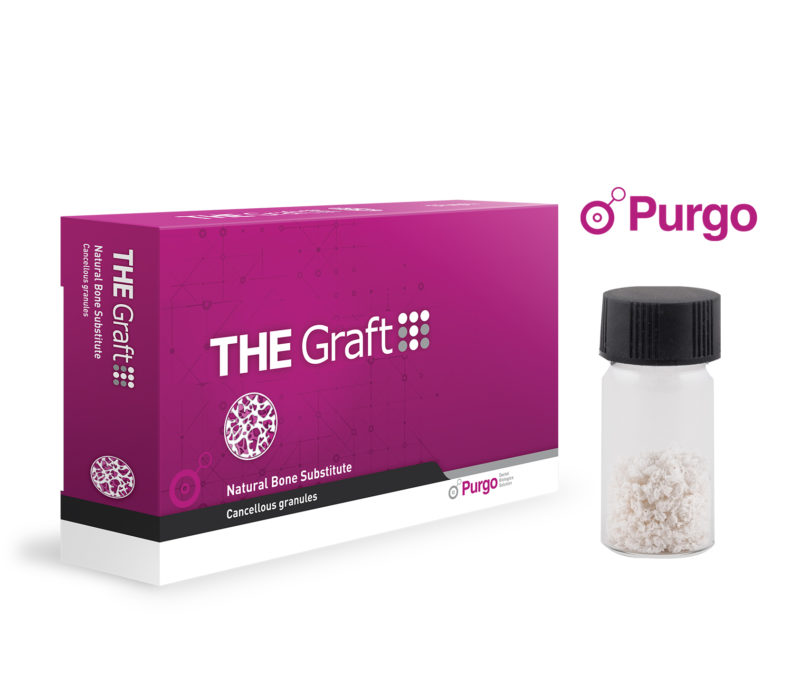
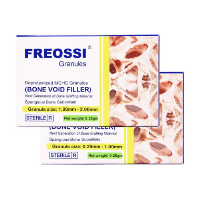
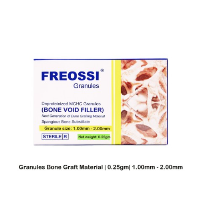
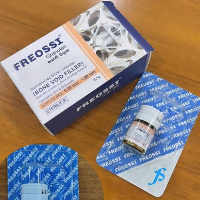
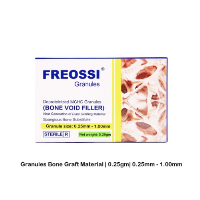
- THE Graft provides the optimized bone architecture for cells adhesions and tissue regeneration.
THE Graft High Purity
Thanks to highly efficient manufacturing process, THE Graft is free from any organic components that might be potential causes of infection or immune reaction. In addition the unique process helps preserve the physical properties of THE Graft with its native osseous structure.
A large surface area is a key requirement for graft materials, and not only results in a larger surface region available for osteoblast cells attachment but also facilitates the exchange of nutrients and waste products, it allows greater amounts of blood, proteins, and growth factors to be absorbed onto the scaffold.
THE Graft has a high purity.
The analysis result minimal residual protein, soft tissue, and organic bone matrix, proves that THE Graft is deproteinized enough for safe use.
Other than THE Graft, such low values for organic residues are only found with bone graft material treated at high temperatures which may cause the detriment of the natural bone structure.
THE Graft High Porosity
High porosity and early remodeling improve clinical performance
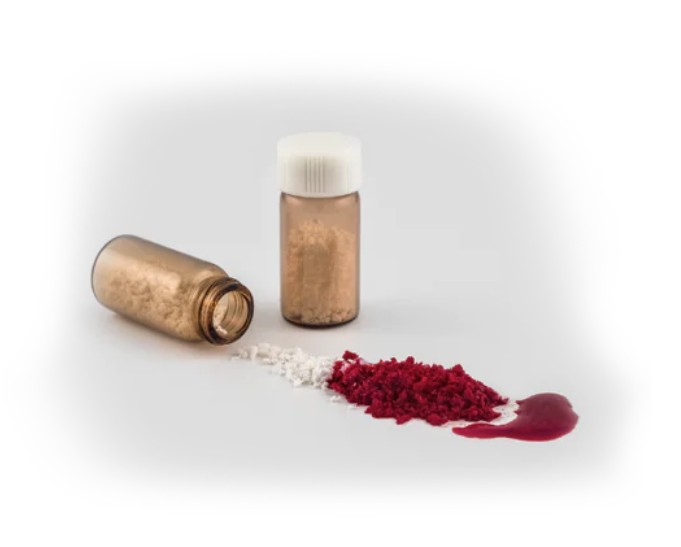
The high porosity of THE Graft means a quicker absorption of fluids (e.g; blood) in comparison with DBBM. This not only facilitates the application of the material but also leads to early remodelling and improved clinical performance.
High level of porosity was demonstrated with particle pore structure test, particle size distribution test and total porosity tests.
- Macropores (diameter > 100μm), are necessary to form blood vessels and induce both bone growth and reorganization around the graft material.
- Micropores (diameter <10 μm), are required for the penetration of body fluids, ion transportation, the attachment of osteoblasts, and the precipitation of newly formed HA.
- Nanopores are characterized by dimension of less than 100 nanometers pores size between grains. Nano-porosity increases bone graft permeability to the physiological fluids and cells adhesion.